
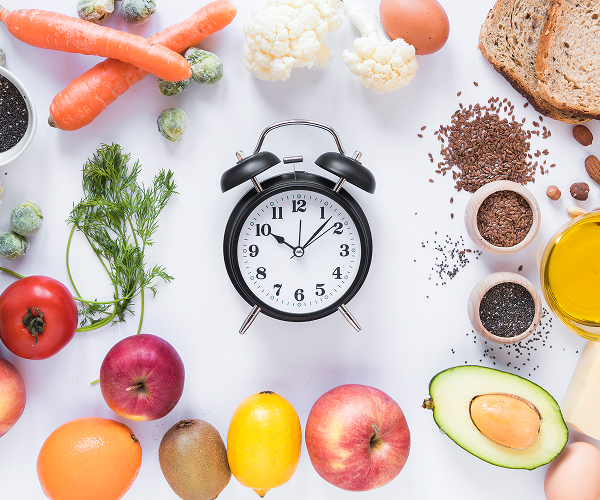
In the world of nutrition, what you eat has always taken center stage. But emerging science now shows that when you eat may be just as important. As a nutritionist, I often emphasize that our bodies are not designed to process food the same way around the clock. By aligning our meals with our natural biological rhythm which is called our circadian clock, we can improve digestion, energy levels, metabolism, and long-term health.
Circadian nutrition is based on the concept that our body follows a 24-hour internal clock, known as the circadian rhythm. This rhythm regulates key functions such as: Hormone release, digestion, sleep-wake cycles, metabolism.
Our body is more efficient at processing food during daylight hours and less efficient late at night.
Our metabolism isn’t constant throughout the day. As per the research, it shows that our body has higher insulin sensitivity and better glucose control during morning to afternoon period as compared to evenings and in similar way our digestion is slower and our body has higher fat storage capacity with poor blood sugar control during the evening to night period. And so, eating in sync with your body clock can support:
– Weight management
– Improve energy and focus
– Reduce risk of lifestyle diseases like diabetes
– Enhance sleep quality
Ideal pattern of eating:
– Heavier breakfast
– Moderate lunch
– Light, early dinner
– First meal: 8:00 AM
– Last meal: 8:00 PM
– People with weight management goals
– Individuals with diabetes or insulin resistance
– Those with irregular eating patterns
– Professionals with high stress and low energy
The bottom line is that meal timing is a powerful yet often overlooked tool in nutrition. By simply aligning your eating pattern with your body’s natural rhythm, you can unlock better metabolism, improved energy, and long-term health benefits.