
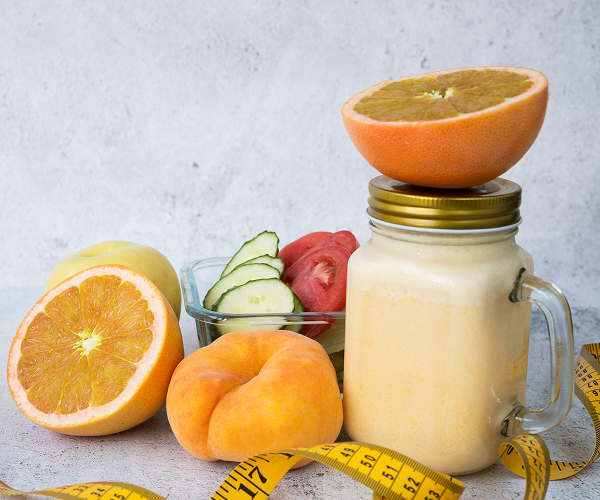
When trying to lose or maintain weight, most people focus on portion sizes, ingredients, and meal quality. But there’s a hidden factor that often goes unnoticed: liquid calories. As a nutritionist, I frequently see clients making excellent food choices, yet struggling with weight due to what they drink throughout the day.
Liquid calories refer to the calories you consume through beverages rather than solid foods. Example: Sugary drinks (soft drinks, packaged juices), sweetened tea and coffee, milkshakes, smoothies, energy drinks, alcohol etc.
While they may seem harmless, these drinks can significantly increase your daily calorie intake without making you feel full.
It’s much easier to drink 300–500 calories than to eat them. For example:
– A glass of packaged juice = 4–5 oranges worth of sugar. Eating those 4-5 oranges would be difficult compared to drinking a glass of packaged juice
Many liquid calories are high in sugar, causing rapid spikes and crashes in blood sugar. This can lead to Increased hunger, cravings and fat storage over time
Drinks labeled as “natural,” “low-fat,” or “energy-boosting” are often perceived as healthy but may still be calorie-dense and sugar-loaded.
– Sugary tea/coffee → Reduce sugar gradually or switch to unsweetened tea/coffee
– Packaged juice → Eat whole fruits
– Soft drinks → Lemon water, infused water (without sugar)
– Milkshakes → Plain milk or buttermilk
– Sweet lassi → Salted lassi or chaas
– High-calorie smoothies → Balanced smoothies with protein and fiber
Yes, there is a difference. Hydration refers to providing our body with fluids, mainly from water and other non-caloric drinks. It supports essential functions like temperature regulation, digestion, nutrient transport, and energy levels.
Calories on the other hand are units of energy that come from food and certain beverages. Your body uses calories to perform all activities from basic functions like breathing to physical movement.
Liquid calories are one of the easiest ways to unknowingly exceed your daily energy needs. They don’t satisfy hunger, they add up quickly, and they often go unnoticed.
If you’re eating well but not seeing results, take a closer look at your glass; it might be the missing piece of the puzzle.